The Spring Awakening

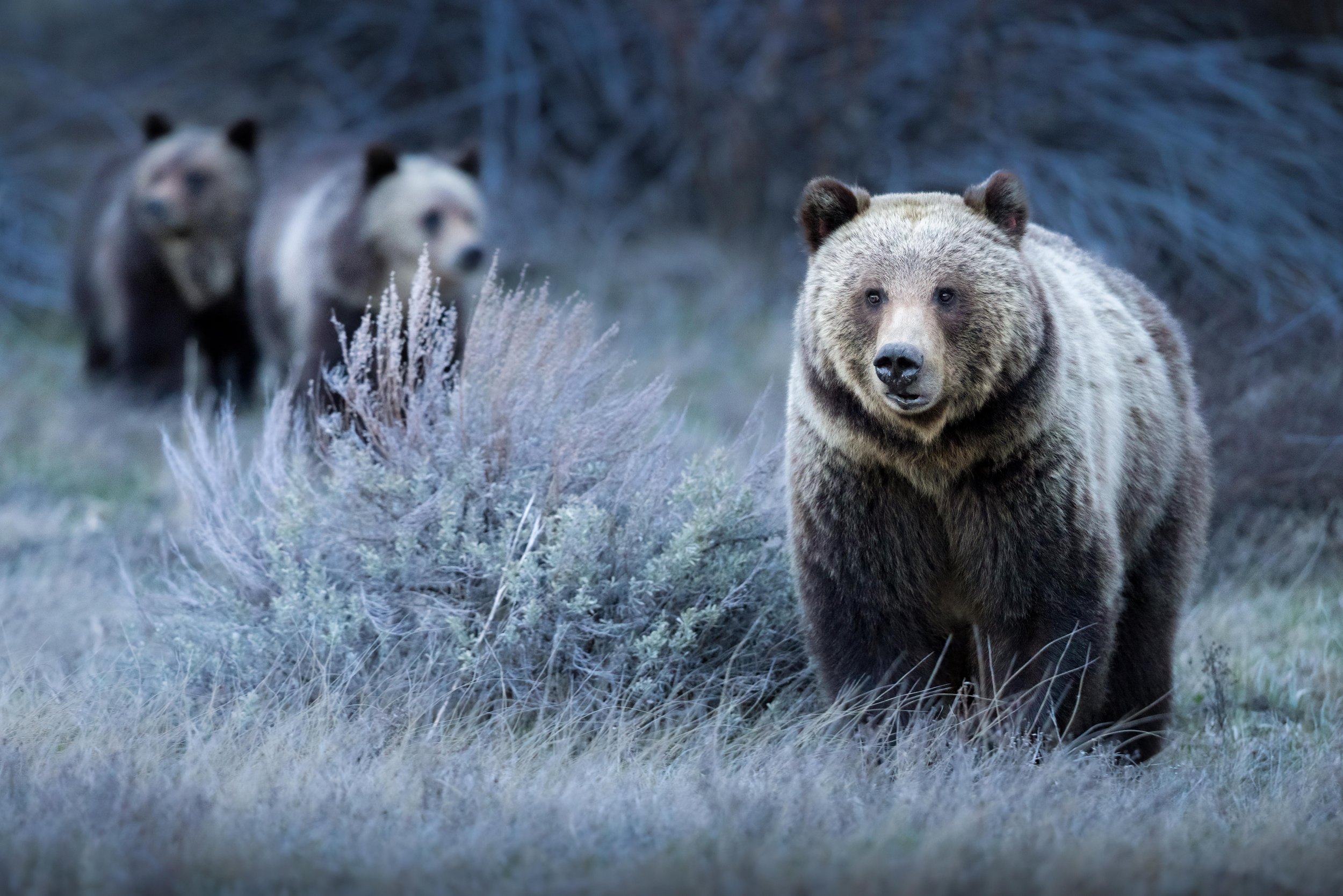
Finally, a bit of sunshine. Forty-degree temperatures. The sound of snowmelt dripping from the rooftops. A mountain bluebird flutters overhead as the first grizzly bears emerge from hibernation and begin their search for winter-killed elk carcasses. A brutal, cold winter is over, and spring is on its way.
Spring is a time when the Greater Yellowstone Ecosystem undergoes its biggest transformation of the year, as a landscape covered in feet of snow becomes a landscape of lush green grasses and vibrant wildflowers. It is when the elk, bison, deer, pronghorn, moose, mountain goats, and bighorn sheep all give birth to their young, bringing new life to the park. The valleys seem to grow fuller as new calves, fawns, and lambs begin to roam them, and the energy they bring is palpable. Trust me when I say, there are very few things in this world as full of energy as a bison calf.

A bison calf frolicking in the verdant meadows of Yellowstone’s Northern Range.
Wolves, coyotes, foxes, badgers, and other predators selected mates for the year months ago, and tiny pups and kits are being born in dens across the landscape. Born blind and immobile, they will be miniatures of their parents, wrestling outside of the den and causing mischief, by the end of spring. Their parents will stay very busy hunting with all the new mouths to feed.

An American badger sow and her cub wrestling atop their den.
Summer migrants arrive by air. The prehistoric calls of nesting sandhill cranes pierce the cold morning air as mountain bluebirds, western tanagers, and yellow-headed black birds add song and color to the environment. Osprey return to their nests along the waterways, ready to feed and raise another clutch of chicks on Yellowstone’s abundant trout populations.
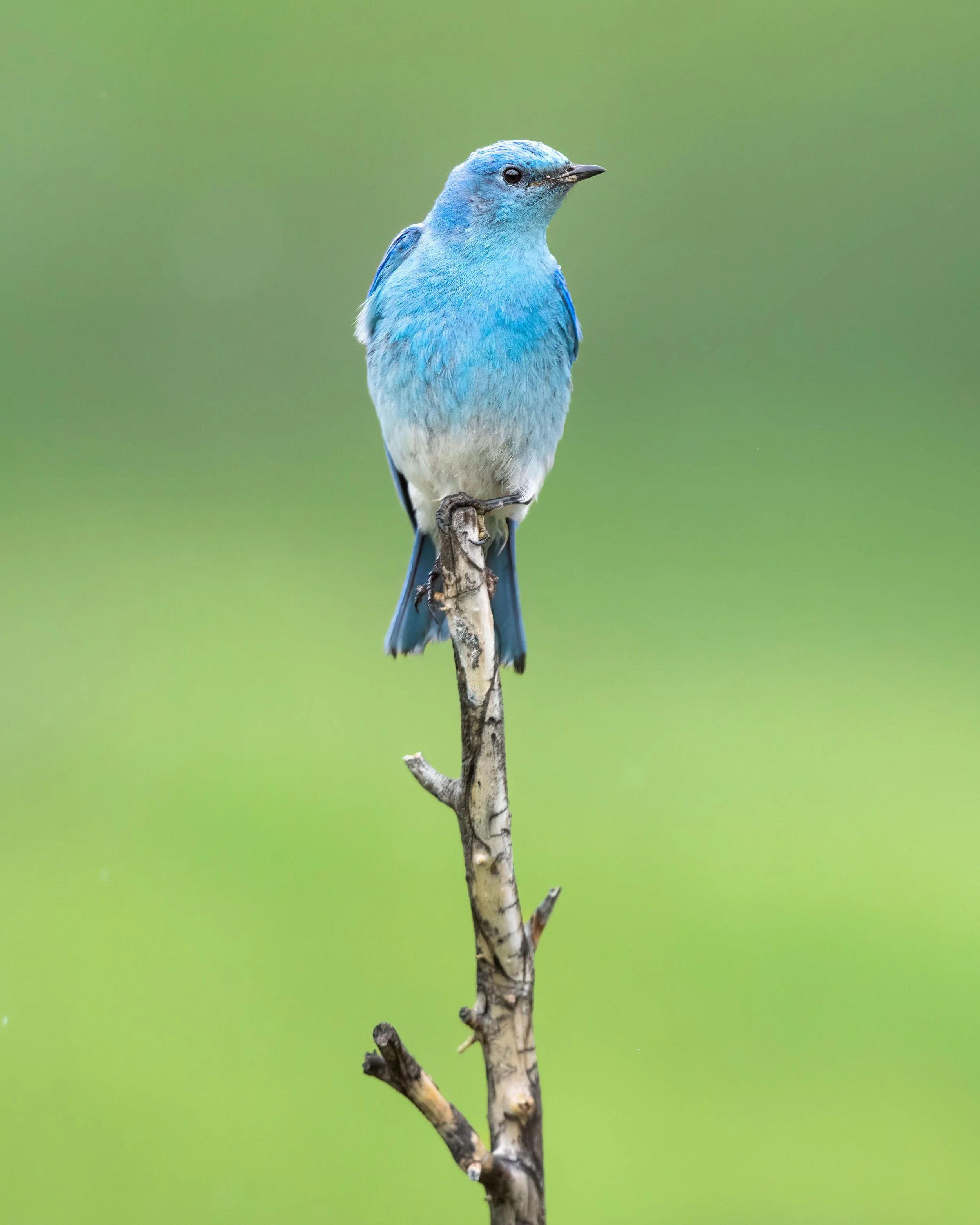
Mountain bluebirds are often the first spring migrants to arrive, a sign of winter’s failing grip on this region.
And then there’s the bears. Spring is the season of the bears. Over a 2-month period, thousands of bears will emerge from their dens, and their preparation for next winter begins immediately. They graze on grass, dig up tubers, hunt elk calves, and sniff out carcasses to feed on. Cubs of the year, born in the den in February, finally see the outside world for the first time. Fully-grown cubs, called subadults, will separate from their mothers, transitioning to the life of an adult bear. Male bears lumber through the remote valleys and across the high peaks, looking for mates. All of this activity leads to the best bear viewing opportunities of the year, something we guides miss dearly during the winter months.
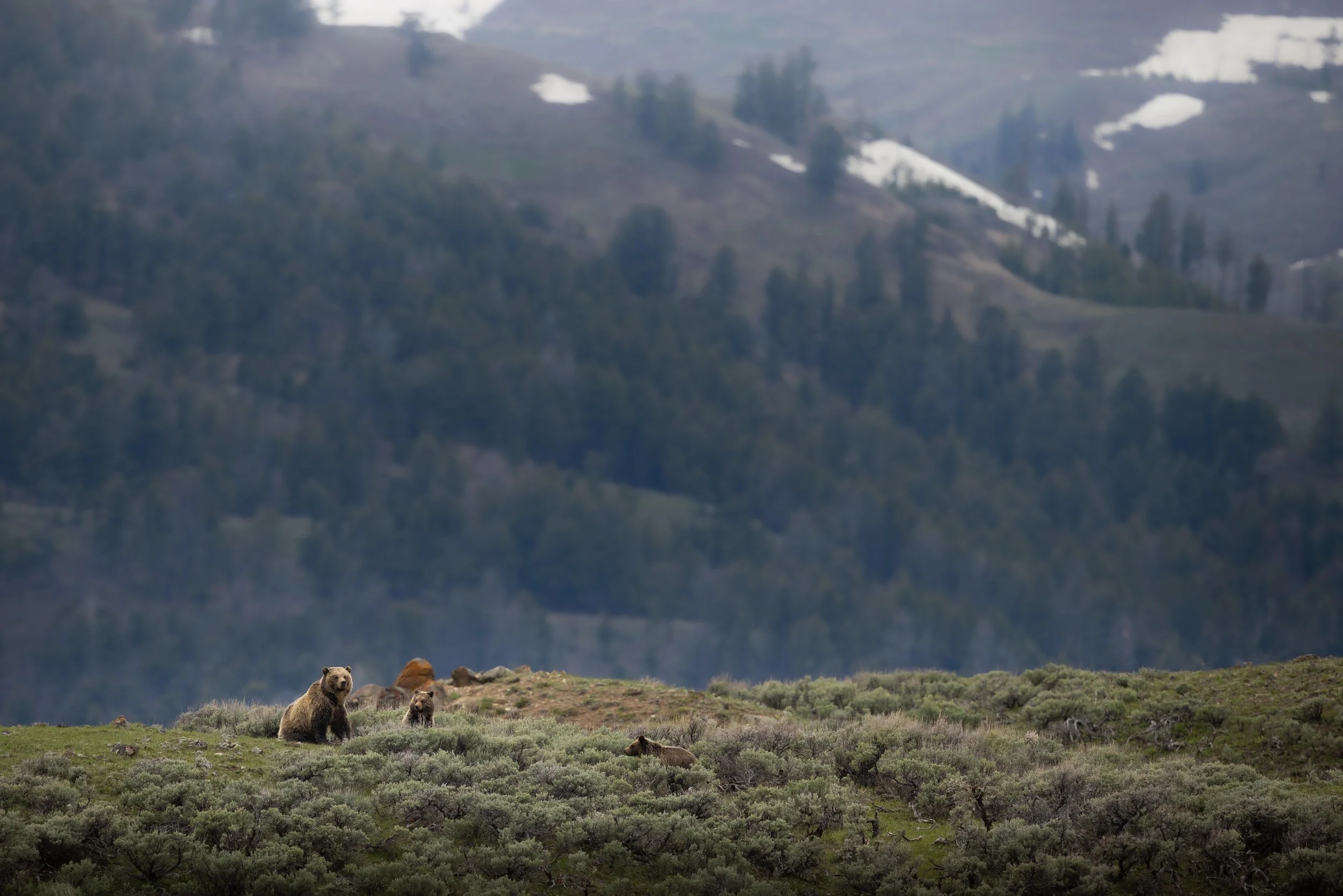
A family of grizzly bears on a ridgeline.
Needless to say, the fauna of Yellowstone make spring such a special time here. However, while less recognized, the flora do the same! Bluebells, larkspur, spring beauties, and shooting stars are just a handful of the colorful wildflowers that bloom in spring. Aspens, willows, and cottonwoods regain their green leaves. And I can’t go without mentioning my favorite plant species in the park, arrowleaf balsamroot. These flowers bloom in perfect clusters, with bright green leaves and stems at the base, and large, beautiful daisies sprouting from the top. They don’t last for long before drying up, but when they are in bloom, they accent the rolling hills of Yellowstone spectacularly.

A pronghorn among violet wildflowers.
Aside from the wildlife, some of Yellowstone’s thermal features also change in spring. As snowmelt adds water to the ground, the water table rises, providing extra hydration for thermal features such as Red Spouter and Fountain Paint Pot, making them more dramatic than ever. Sunshine burns away the thick steam at Grand Prismatic Spring, pulling back the veil that it creates and making the spring’s otherworldly colors more visible and obvious than they’ve been all winter.

Grand Prismatic Spring on a warm day.
Additionally, the melting of snow and milder weather allow all of the park’s roads to reopen to private travel. Exploration becomes much easier as access to the park is increased. Hikes that have long been covered in snow are now melted out, and as summer arrives and the visitors with it, the parking lots fill with people enjoying the backcountry of the world’s first national park.
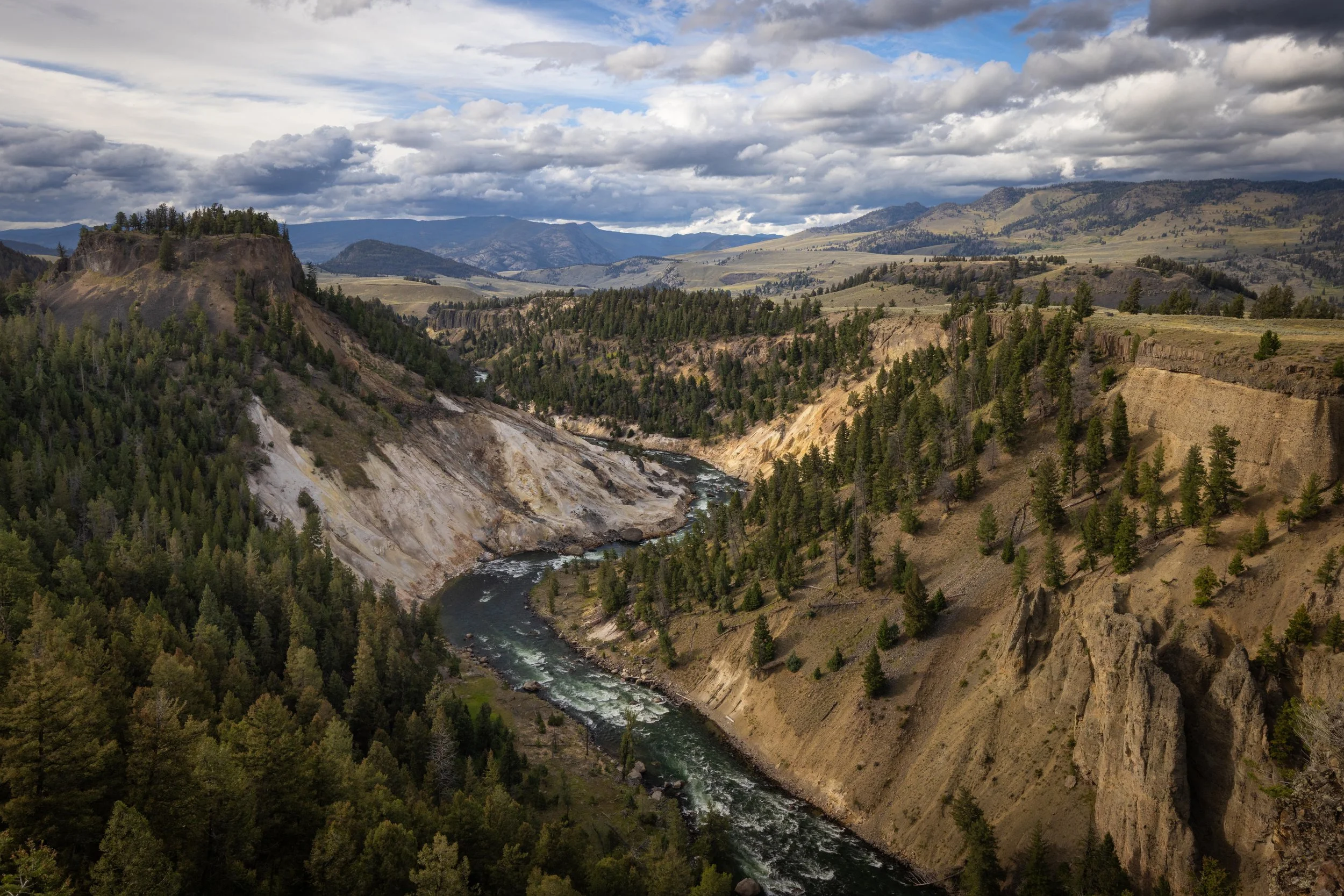
The Yellowstone River winding through the north end of the Grand Canyon of the Yellowstone.
Above all else, spring is a time when we get to watch Yellowstone awaken. It marks a new beginning for the life found across the park. A new chapter for those of us working in the park. A new adventure for the visitors we are lucky enough to show this place to. The spring awakening is a special time, and I look forward to experiencing many more of them in the future!